Spring and summer bring longer days, warmer weather, and the perfect opportunity for outdoor activities. Whether you’re hiking, camping, gardening, or spending time at the lake, being prepared for minor injuries and emergencies is key to staying safe and enjoying your adventures.
A well-stocked first aid kit can help you respond quickly to scrapes, burns, insect bites, and other common outdoor injuries.
If you experience a serious injury or medical emergency during outdoor activities, call 911 immediately. For guidance on preparing for common injuries, use the online contact form or call (406) 228-3500 for support.
Essential Items for Every First Aid Kit
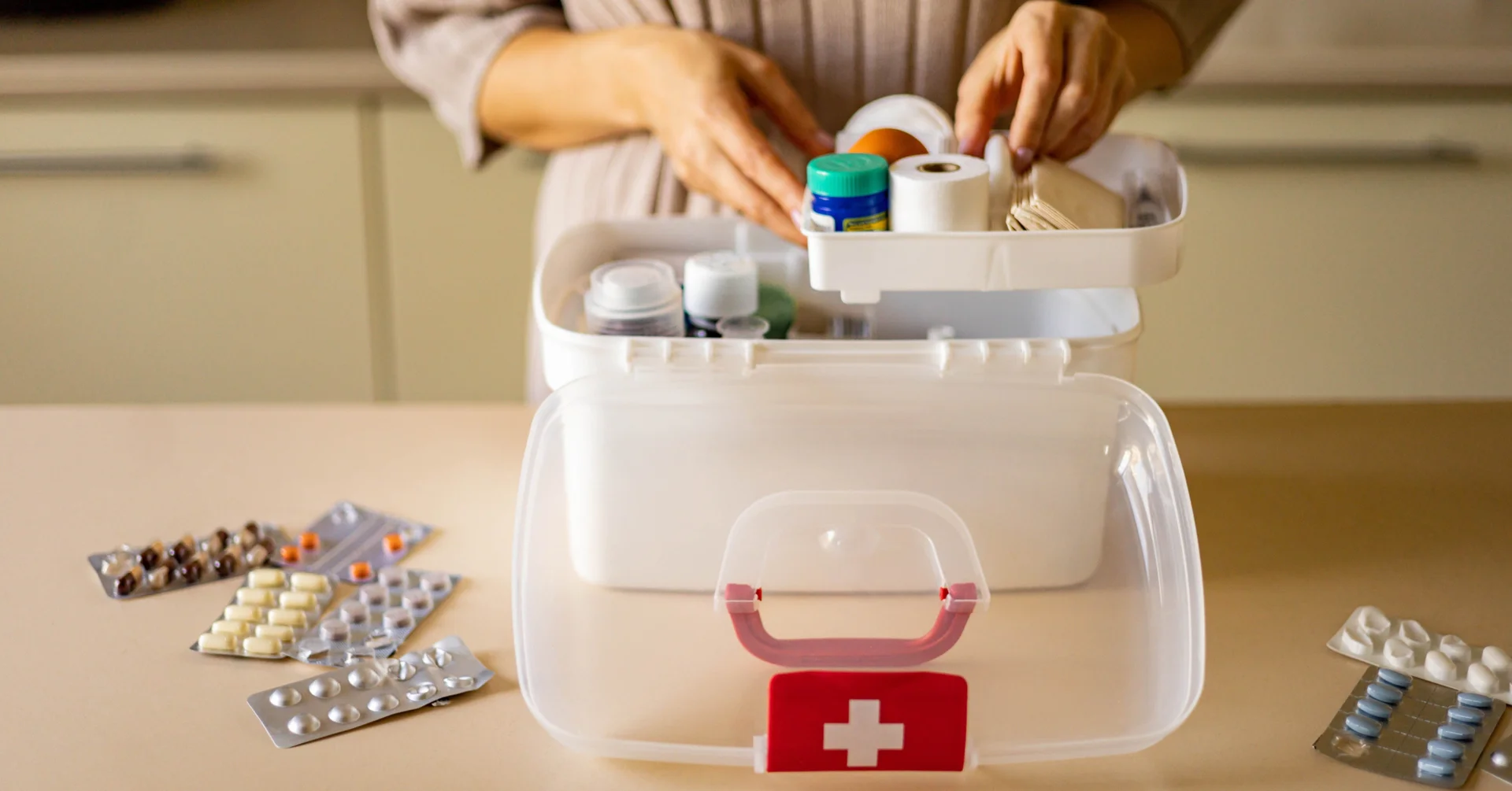
Every first aid kit should include basic items that cover common outdoor accidents and minor injuries:
- Adhesive bandages (various sizes) for cuts and blisters
- Sterile gauze pads and adhesive tape for larger wounds
- Antiseptic wipes or solution to clean cuts and prevent infection
- Tweezers and scissors for splinters or removing debris
- Disposable gloves to protect yourself and others
- Elastic bandages for sprains or strains
- Hydrocortisone cream for itching or insect bites
- Pain relief medications such as acetaminophen or ibuprofen
For families or group activities, consider including extra supplies for multiple people.
Seasonal Additions for Spring and Summer
Warm-weather adventures introduce unique risks, from sunburn to insect bites. Adding seasonal items to your first aid kit can help you manage these effectively:
- Sunscreen and lip balm to prevent sunburn
- Insect repellent to reduce mosquito and tick bites
- Cold packs for sprains, strains, or heat-related swelling
- Allergy medications, if seasonal allergies are a concern
- Electrolyte tablets to prevent dehydration during outdoor activities
Being proactive can prevent minor issues from becoming more serious during outdoor fun.
Safety Tips for Outdoor Activities
Even with a well-stocked kit, following general safety practices reduces the risk of injury:
- Plan: Know the terrain, weather, and potential hazards
- Stay hydrated: Carry water and encourage others to drink regularly
- Use protective gear: Wear hats, sunglasses, sturdy shoes, and gloves as needed
- Check for ticks: After hiking or gardening, perform a full-body tick check
These precautions, along with a well-stocked first-aid kit, can help make your outdoor adventures safer and more enjoyable.
When to Seek Medical Help
A first aid kit is helpful for minor injuries, but professional medical care may be necessary in certain situations:
- Deep cuts that won’t stop bleeding
- Burns covering a large area or causing severe pain
- Signs of infection (redness, swelling, pus)
- Severe allergic reactions or difficulty breathing
For urgent guidance, Frances Mahon Deaconess Hospital offers support and evaluation. Learn more about services available through Emergency Medical Services.
Preparing Your Family or Group
If you’re heading out with family or friends, consider creating a group first aid kit that includes:
- Extra bandages and antiseptics
- Supplies for children or pets
- Instructions for anyone with allergies or chronic conditions
Labeling items clearly and keeping the kit in an easily accessible bag can help in a hurry.
Taking the Next Step Toward Safety
Preparedness is the key to safe spring and summer adventures. A well-stocked first aid kit, combined with smart safety practices, can help you respond quickly and confidently to minor injuries.
If you have questions about outdoor safety, injury prevention, or emergency care, contact Frances Mahon Deaconess Hospital through the online contact form or call (406) 228-3500. Expert guidance is available to help you enjoy the season safely.