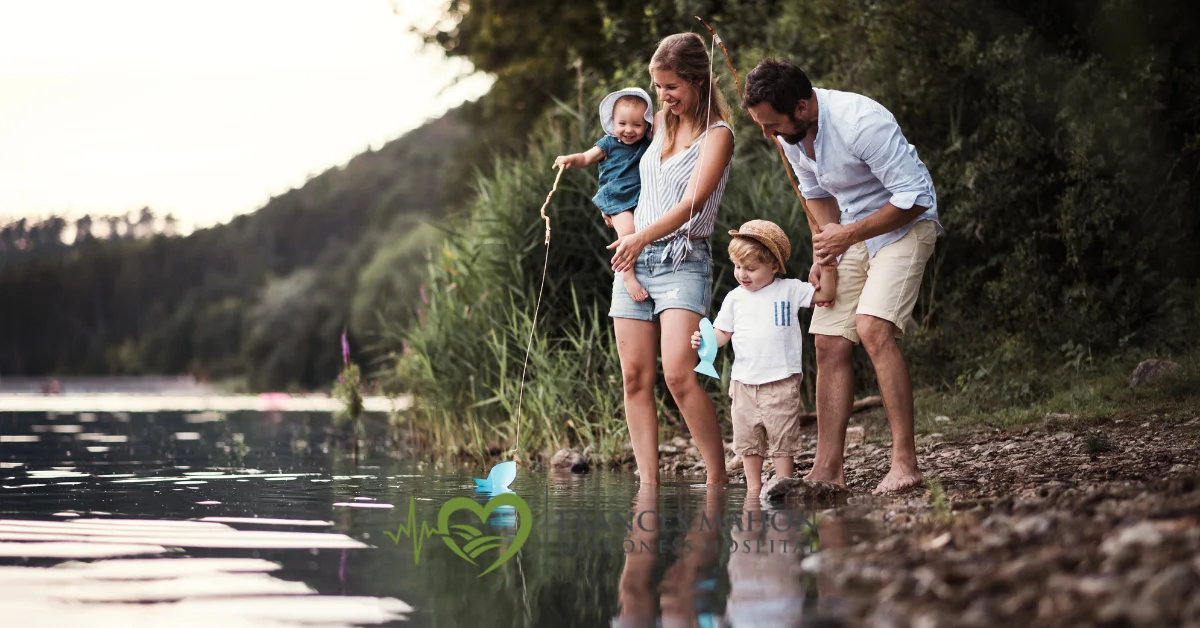
Montana's lakes and rivers provide endless opportunities for fishing, boating, swimming, kayaking, and family fun during the summer months. Whether you're spending the day at Fort Peck Lake or exploring local waterways, water recreation is a cherished part of life for many families. However, even experienced swimmers and boaters can face unexpected risks when spending time around natural bodies of water.
Understanding basic water safety can help prevent accidents and ensure everyone returns home safely after a day on the water.
If you have questions about health concerns related to water activities or need medical guidance, contact Frances Mahon Deaconess Hospital through the online contact form or call . If you are experiencing a medical emergency, call 911 immediately.
Why Water Safety Matters
Natural lakes and rivers can be unpredictable. Water conditions may change quickly due to weather, currents, temperature shifts, or underwater obstacles.
Children are especially vulnerable around water, but adults can also experience emergencies. Many water-related accidents occur when people underestimate conditions or overlook simple safety precautions.
Common water-related risks include:
- Drowning and near-drowning incidents
- Slips and falls near docks or shorelines
- Boating accidents
- Cold water exposure
- Heat-related illnesses and dehydration
- Sunburn and prolonged sun exposure
The good news is that many of these incidents can be prevented through awareness and preparation.
Always Wear a Life Jacket
One of the most effective ways to stay safe on the water is by wearing a properly fitted life jacket.
Life jackets help keep a person afloat if they fall into the water unexpectedly. They are especially important for:
- Children of all ages
- Non-swimmers
- Boaters and anglers
- Kayakers and paddleboarders
- Anyone participating in water sports
A life jacket should fit snugly without restricting movement. Parents should regularly check that children's life jackets still fit properly as they grow.
Even strong swimmers can become tired, injured, or caught in unexpected conditions, making life jackets a smart safety choice for everyone.
Supervise Children at All Times
When children are near water, active supervision is essential.
Accidents can happen quickly and often without much noise. Designating a responsible adult as a "water watcher" helps ensure someone is always paying close attention.
Helpful supervision tips include:
- Stay within arm's reach of young children.
- Avoid distractions such as phones or lengthy conversations.
- Rotate supervision duties among adults.
- Teach children to ask permission before entering the water.
Swimming lessons can improve confidence and skills, but they should never replace adult supervision.
Understand the Risks of Rivers and Lakes
Unlike swimming pools, natural bodies of water have changing conditions that may not always be visible.
River Hazards
Rivers often contain:
- Strong currents
- Unexpected drop-offs
- Submerged logs and debris
- Rapid changes in water depth
Even shallow-moving water can create dangerous situations.
Lake Hazards
Lakes may seem calm, but they can present risks such as:
- Sudden weather changes
- Cold water temperatures
- Deep water areas
- Boat traffic
Before entering the water, take a few moments to assess your surroundings and identify potential hazards.
Protect Your Family from Cold Water Shock
Many Montana lakes and rivers remain colder than people expect, even during warm summer weather.
Sudden immersion in cold water can cause rapid breathing, muscle weakness, and difficulty staying afloat. This reaction is known as cold water shock.
To reduce risk:
- Enter the water gradually when possible.
- Wear appropriate flotation devices.
- Avoid jumping into unfamiliar water.
- Check water temperatures before recreational activities.
Children and older adults may be particularly sensitive to cold water exposure.
Stay Safe While Boating
Boating is a popular activity across Montana, but safety should always come first.
Before heading out:
- Check weather forecasts.
- Ensure safety equipment is onboard.
- Carry extra drinking water.
- Let someone know your plans.
- Avoid alcohol while operating a boat.
Passengers should understand basic boating safety procedures and know where life jackets and emergency equipment are stored.
Weather conditions can change quickly, so returning to shore early is often the safest choice when storms approach.
Prevent Heat Illness and Dehydration
Many people focus on water safety but forget the risks of prolonged sun and heat exposure.
Signs of dehydration may include:
- Thirst
- Headache
- Dizziness
- Fatigue
- Dry mouth
To stay healthy:
- Drink water regularly throughout the day.
- Wear lightweight clothing.
- Take breaks in shaded areas.
- Apply sunscreen frequently.
- Avoid prolonged sun exposure during peak afternoon hours.
Staying hydrated helps keep your body functioning properly and can reduce the risk of heat-related illness.
Know What to Do During a Water Emergency
Quick action can make a difference during a water emergency.
If someone appears to be struggling in the water:
- Call 911 immediately.
- Throw a flotation device if available.
- Avoid entering dangerous water unless properly trained.
- Follow emergency dispatcher instructions.
Learning CPR and basic first aid can help families feel more prepared for emergencies.
If someone experiences symptoms after a water-related incident, a professional medical evaluation may be necessary to assess potential injuries or complications.
When to Seek Medical Care
Some water-related injuries and illnesses may not be immediately obvious.
Seek medical attention if someone experiences:
- Difficulty breathing
- Persistent coughing after a water incident
- Head injuries
- Suspected fractures
- Severe cuts or wounds
- Symptoms of heat exhaustion or heat stroke
The healthcare professionals at Frances Mahon Deaconess Hospital can evaluate a variety of health concerns and help determine appropriate next steps.
Stay Safe and Enjoy Montana's Waters
Summer adventures on Montana's lakes and rivers can create lasting family memories. Taking a few simple precautions can significantly reduce the risk of accidents and help everyone enjoy the water safely.
If you have questions about water-related health concerns or would like to learn more about the services available at Frances Mahon Deaconess Hospital, visit the contact page or call . As a trusted hospital in Glasgow, MT, Frances Mahon Deaconess Hospital is committed to supporting the health and well-being of local families year-round.